- 1
- 1
- 3
- 2

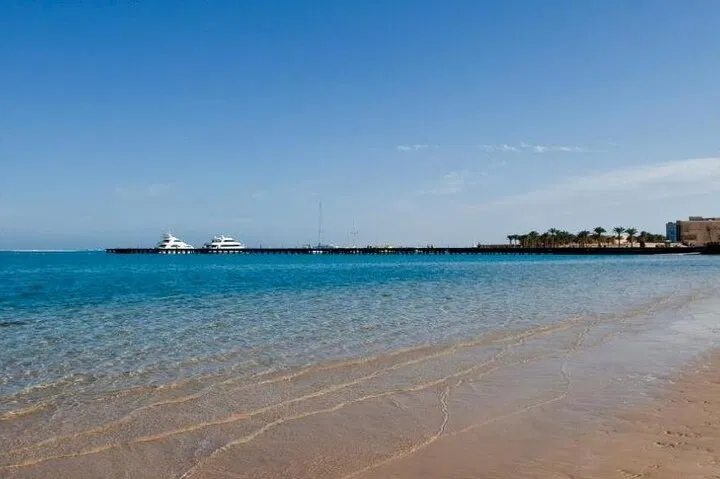
Marsa Alam is a resort town in southeastern Egypt, located on the western coast of the Red Sea. It is part of the Red Sea Governorate and is known for its pristine beaches, rich marine life, and relatively unspoiled natural environment compared to other Red Sea destinations.
Originally a small fishing village, Marsa Alam began developing as a tourist destination in the late 1990s. It has since become popular among eco-tourists, divers, and travelers seeking a quieter alternative to larger resort cities such as Hurghada and Sharm El Sheikh.
Marsa Alam lies approximately 270 km south of Hurghada and 130 km north of the Sudanese border. The region features desert landscapes, mountainous terrain, and extensive coral reef systems directly offshore, making it ideal for marine activities.
Marsa Alam has a hot desert climate (BWh).
Summer: Hot, with temperatures often exceeding 35°C (95°F)
Winter: Warm and mild, averaging 22–26°C (72–79°F)
Rainfall is extremely rare throughout the year
The stable climate allows for year-round tourism and diving.
The area around Marsa Alam has historical significance dating back to ancient Egypt, particularly for gold mining during Pharaonic and Roman periods. Modern development began after the opening of Marsa Alam International Airport in 2003, which boosted tourism and accessibility.
The local economy is primarily driven by:
Tourism and eco-resorts
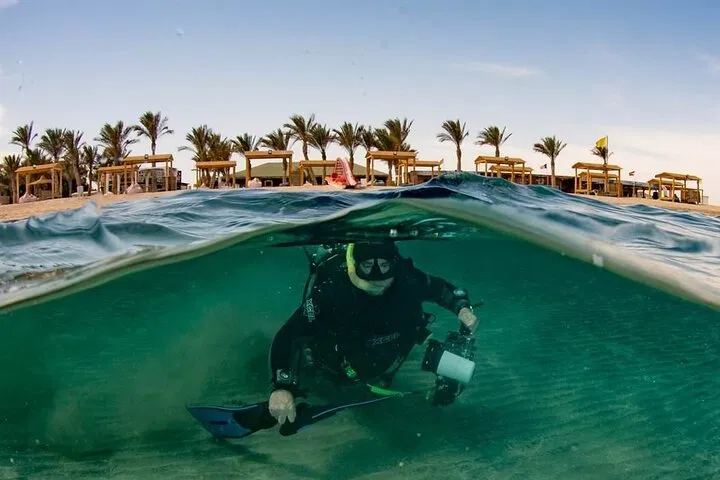
Diving and snorkeling operations
Fishing and small-scale local trade
Eco-friendly tourism and marine conservation play an important role in the region’s development strategy.
Marsa Alam is especially known for:
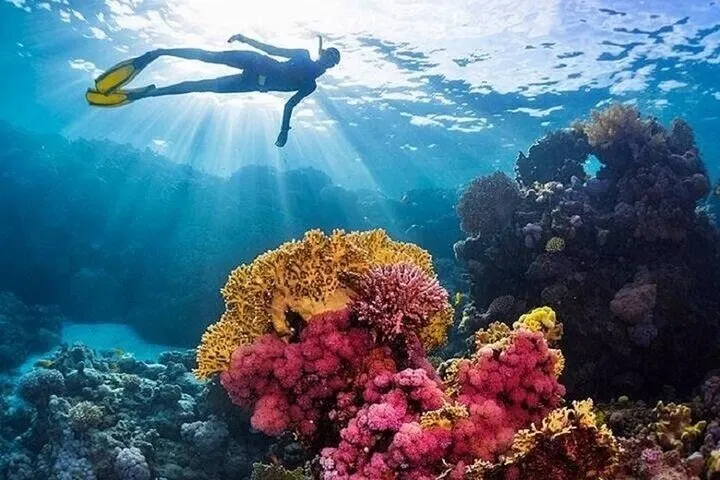
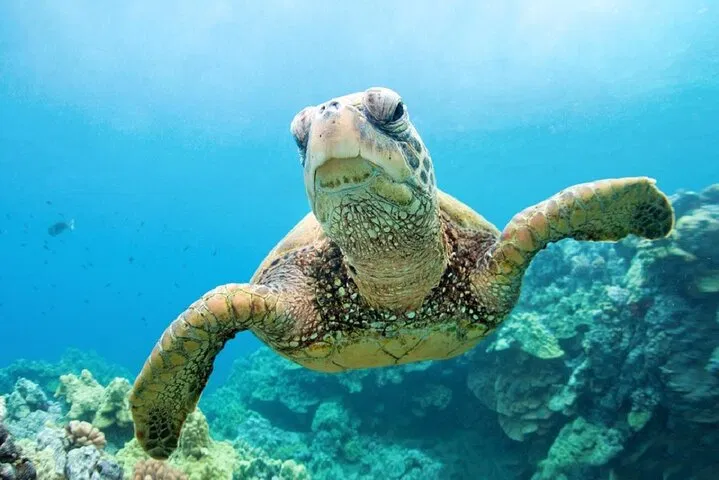
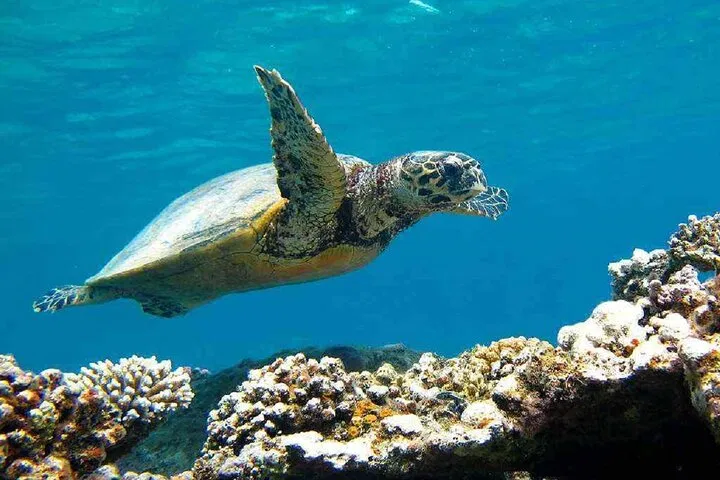
Diving and snorkeling: Coral reefs, dolphins, sea turtles, and dugongs
Protected areas: Such as Wadi El Gemal National Park
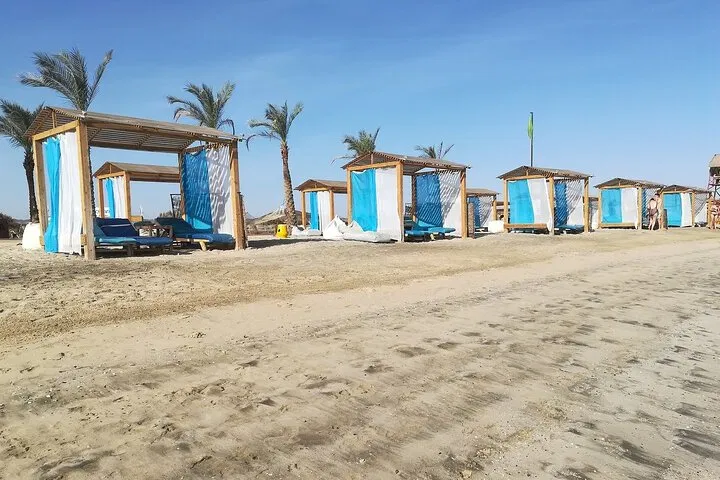
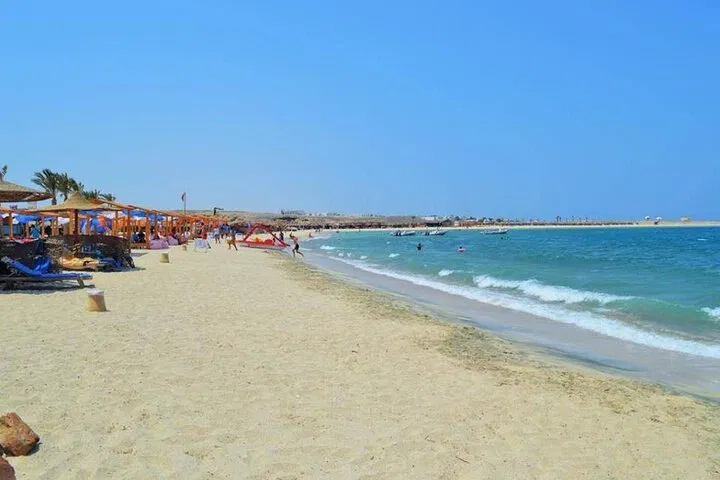
Beaches: Natural and less crowded compared to other resorts
Wildlife encounters: Dolphin House (Sha’ab Samadai)
Desert excursions: Safari and Bedouin cultural tours
Marsa Alam is served by Marsa Alam International Airport, with seasonal and regular international flights. The town is connected by road to Hurghada, Quseir, and other Red Sea destinations.
The town has a relatively small population compared to other Red Sea resorts, consisting mainly of local residents and professionals working in tourism-related services.
Marsa Alam maintains a relaxed and nature-focused lifestyle. Development is generally low-density, with an emphasis on sustainability, marine protection, and preserving the natural environment.