- 1
- 1
- 3
- 2

Giza is a major city in Egypt, located on the western bank of the Nile River, immediately southwest of Cairo. It is the capital of the Giza Governorate and is internationally famous as the home of the Giza Plateau, which includes some of the most iconic monuments of ancient Egypt.
Giza forms part of the Greater Cairo metropolitan area and plays a central role in Egypt’s history, tourism, and urban development. The city uniquely combines dense modern neighborhoods with world-renowned ancient archaeological sites.
Giza lies on the edge of the Nile Valley, where fertile agricultural land meets the Western Desert. The city extends westward toward desert plateaus, including the area of the pyramids.
Giza has a hot desert climate (BWh).
Summer: Hot and dry, often exceeding 35°C (95°F)
Winter: Mild, with daytime temperatures averaging 18–22°C (64–72°F)
Rainfall is minimal and infrequent
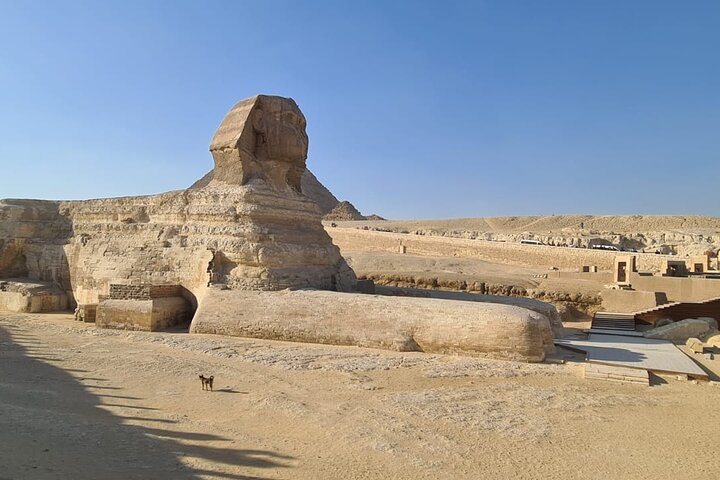
The area of modern Giza has been inhabited since ancient times. It gained global prominence during the Old Kingdom of Egypt (c. 2686–2181 BC) with the construction of the Pyramids of Khufu, Khafre, and Menkaure, as well as the Great Sphinx. Over time, the surrounding area developed into a major urban center alongside Cairo.
Giza’s economy is diverse and closely linked to Cairo’s, including:
Tourism and cultural heritage services
Education and research institutions
Manufacturing and local commerce
Agriculture in surrounding rural areas
Giza is best known for its historic landmarks, including:
The Pyramids of Giza
The Great Sphinx
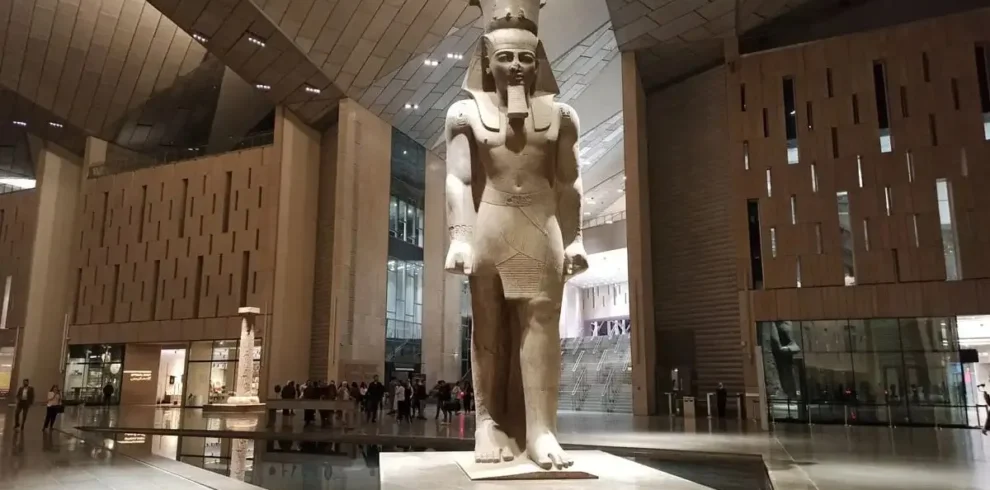
The Grand Egyptian Museum
Ancient tombs and temples on the Giza Plateau
These sites attract millions of visitors annually.
Giza is well connected to Cairo through bridges, highways, and the Cairo Metro. It is easily accessible from Cairo International Airport and serves as a key transportation hub within Greater Cairo.
Giza is one of the most populous cities in Egypt, with several million residents, reflecting a mix of urban, suburban, and rural communities.
Giza blends historical heritage with modern urban life. Residential districts, universities, markets, and commercial areas coexist alongside archaeological zones, making the city a unique intersection of ancient and contemporary Egypt.