- 1
- 1
- 3
- 2

Cairo is the capital and largest city of Egypt, as well as one of the largest metropolitan areas in Africa and the Middle East. Located along the Nile River, Cairo is the political, economic, and cultural center of the country and is renowned for its rich history spanning thousands of years.
Often referred to as “The City of a Thousand Minarets” due to its extensive Islamic architecture, Cairo blends ancient heritage with modern urban life. The city serves as Egypt’s main hub for government, business, education, and media.
Cairo is situated in northern Egypt, just south of the Nile Delta. The city lies on both banks of the Nile River and is bordered by desert areas to the east and west. Its strategic location has contributed significantly to its historical and economic importance.
Cairo has a hot desert climate (BWh).
Summer: Hot and dry, with temperatures often exceeding 35°C (95°F)
Winter: Mild, with daytime temperatures averaging 18–22°C (64–72°F)
Rainfall is minimal and occurs mainly during winter months
Cairo’s history dates back to ancient times, near the site of Memphis, the first capital of ancient Egypt. The modern city was founded in 969 AD by the Fatimid dynasty. Over the centuries, Cairo became a major center of Islamic civilization, learning, and trade, leaving behind a vast architectural legacy.
Cairo is Egypt’s economic powerhouse, hosting:
Government institutions and embassies
Financial and commercial centers
Manufacturing and industrial zones
Media, publishing, and creative industries
It plays a central role in national and regional trade.
Cairo is famous for its cultural and historical landmarks, including:
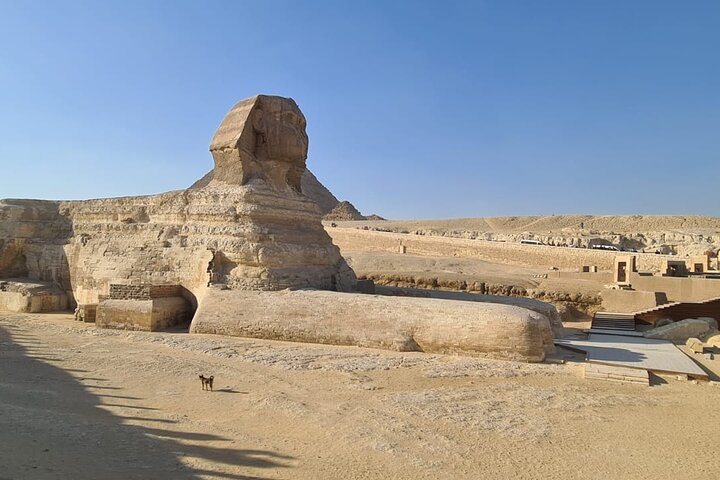
The Pyramids of Giza and the Great Sphinx
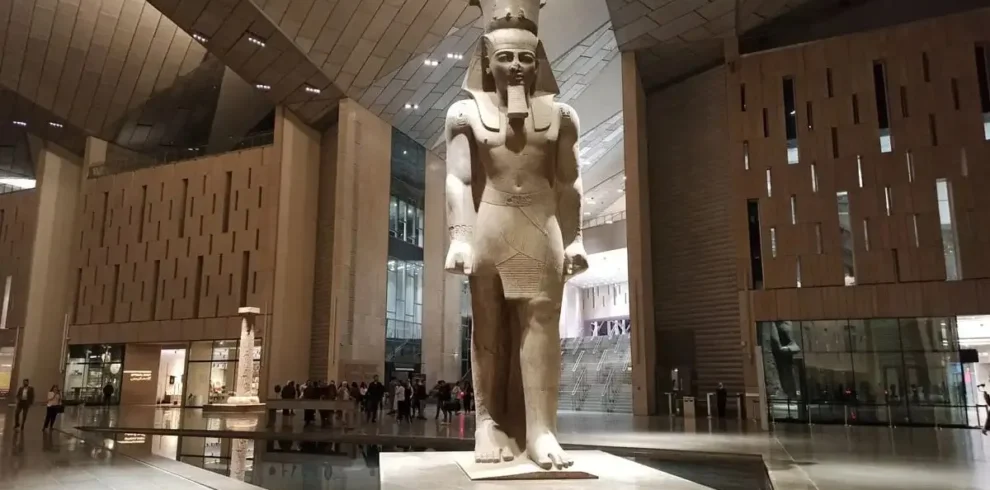
The Egyptian Museum and the Grand Egyptian Museum
Islamic Cairo and Al-Azhar Mosque
Coptic Cairo, including the Hanging Church
Khan El Khalili Bazaar
The city is served by Cairo International Airport, one of the busiest airports in Africa. Cairo has an extensive transportation network including roads, bridges, buses, and the Cairo Metro, the first metro system in Africa and the Arab world.
Cairo has a population of over 20 million people in its metropolitan area, making it one of the most densely populated cities in the world. The population is diverse, representing all regions of Egypt.
Cairo hosts many of Egypt’s leading universities and institutions, such as Cairo University and Al-Azhar University, along with numerous hospitals and medical centers serving the nation.
Cairo is a city of contrasts, where historic neighborhoods coexist with modern districts, shopping malls, cultural venues, and vibrant street life. The city is known for its energy, resilience, and cultural influence across the Arab world.